.jpg)
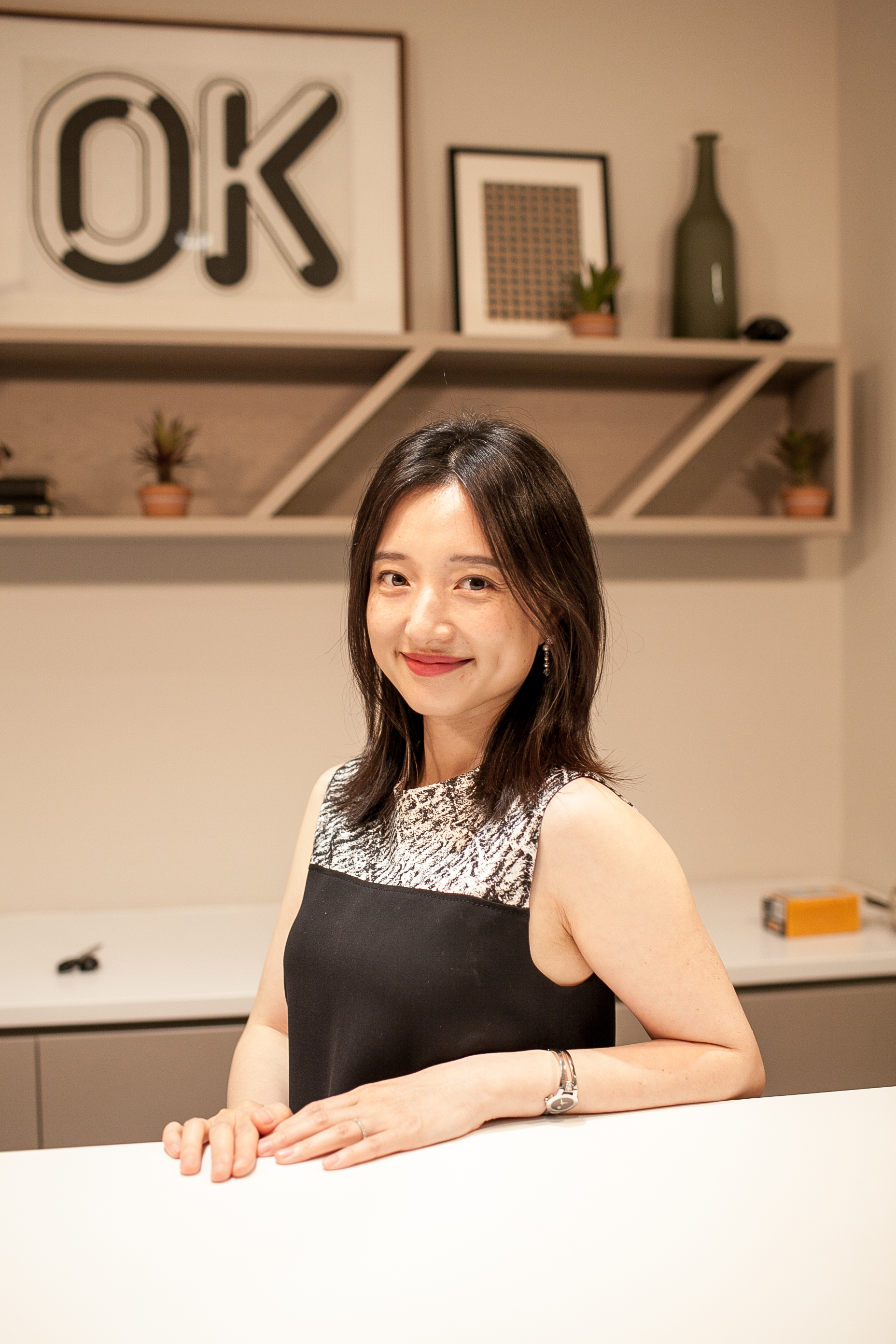
The Female Founders Campaign is The W’s editorial platform dedicated to women who build brands from lived experience, transforming personal insight into purposeful design. In this edition, we spotlight Louise Chen, founder of LOU, a Perth-based swimwear, intimates and activewear label created to celebrate women with small chests. What began as a response to the persistent absence of representation in fashion has grown into a brand rooted in self-acceptance and confidence. LOU is not only an abbreviation of Louise’s name, but a statement of intent, standing for Love Ourselves Unconditionally. Through considered design and a deeply engaged community, Louise challenges narrow ideas of desirability, offering women the freedom to feel sexy, assured and fully at ease in their own bodies.
There are moments when personal experience quietly reveals a much larger truth. For Louise Chen, that moment did not arrive in a boardroom or a studio, but in a Facebook group. A digital space where women with small chests shared frustrations, humour, advice and solidarity. Reading their stories, Louise realised something fundamental. What she had long considered a private insecurity was, in fact, a widespread and largely ignored gap within the fashion industry.
“I thought it was just me,” she reflects. “But it clearly wasn’t.”
LOU Swim was born from that realisation. Not as a reaction to trend or demand forecasting, but as a response to absence. An absence of thoughtful design, of representation, and of language that affirmed smaller chests as something to celebrate rather than correct.
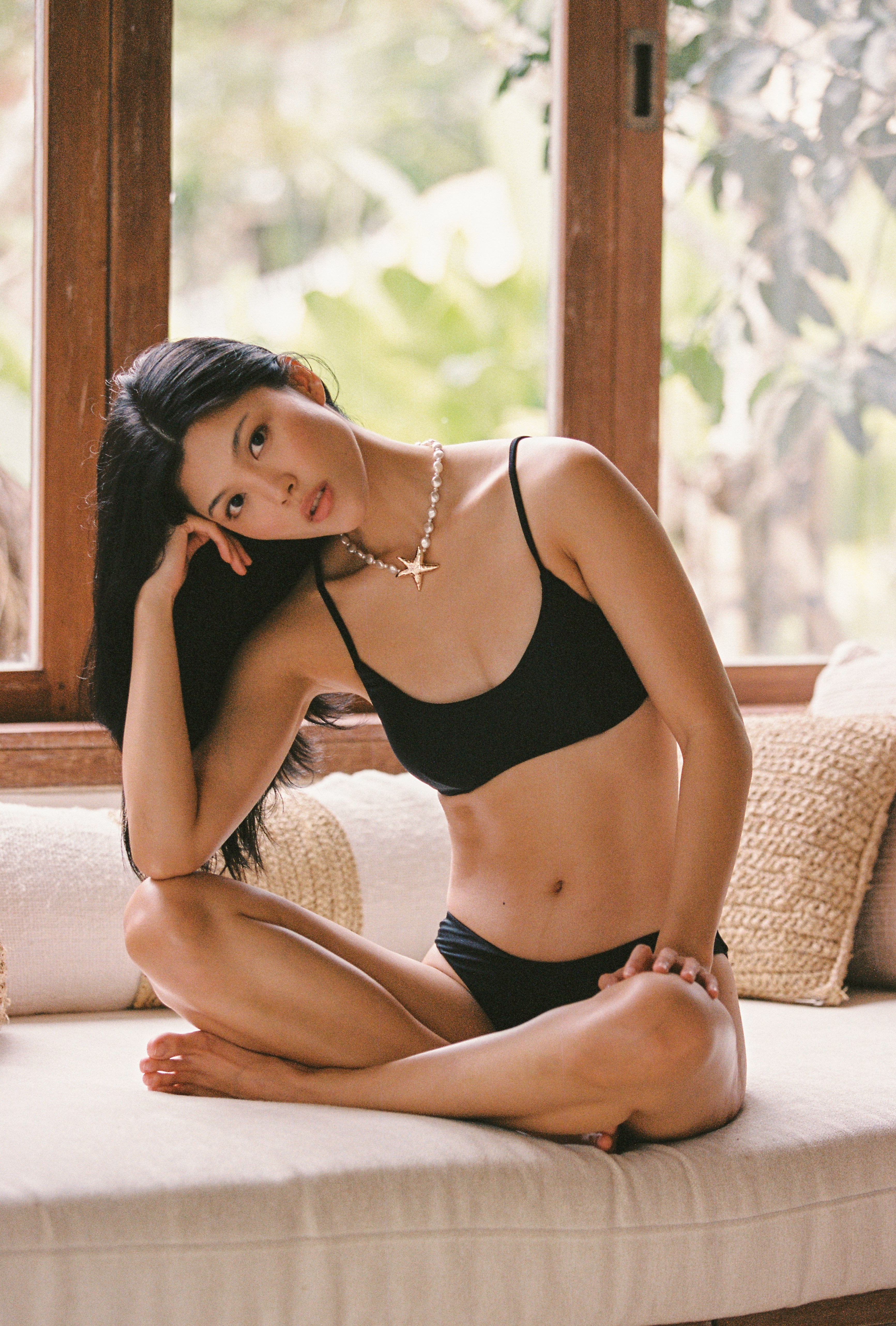
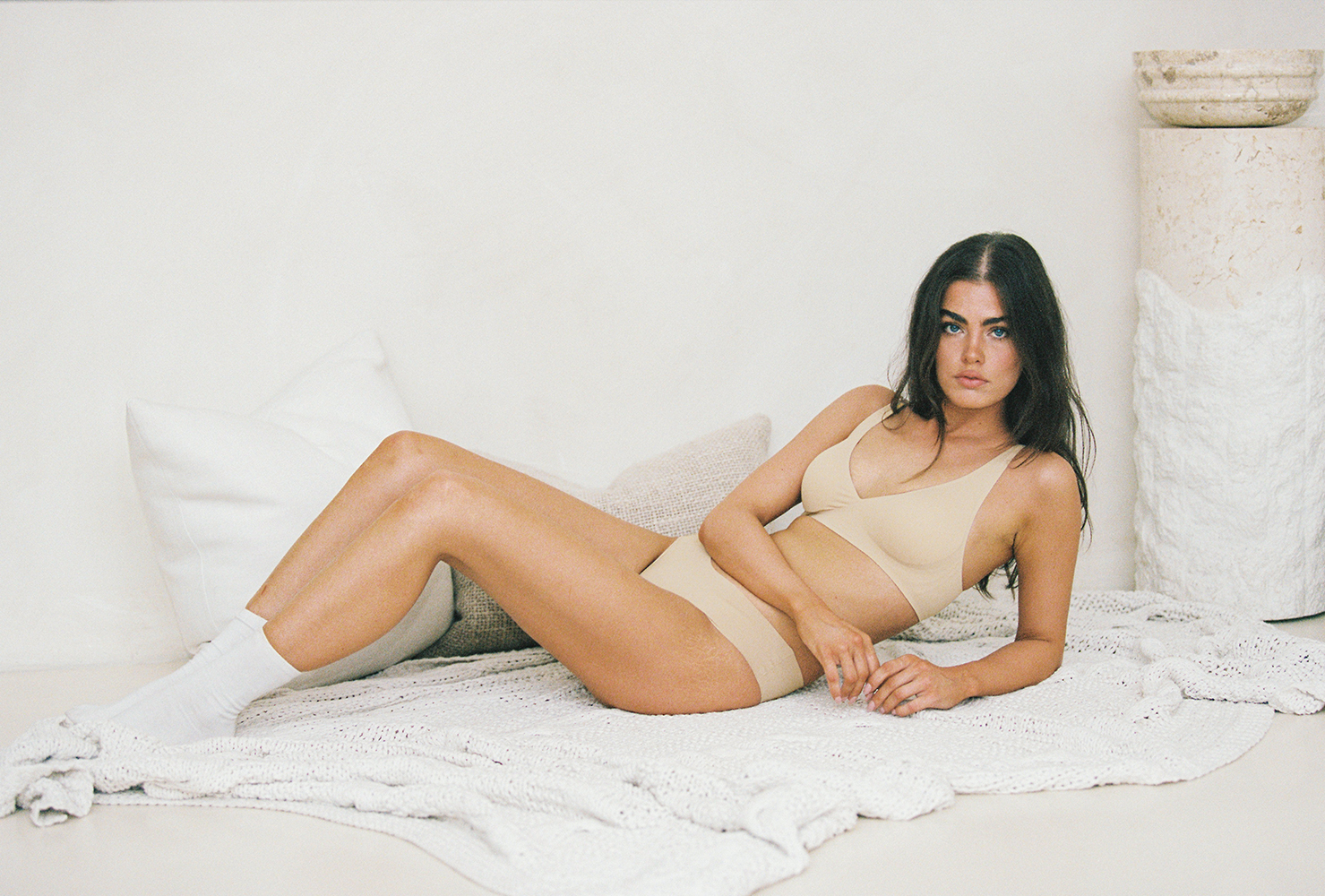
Louise had grown used to disappointment in changing rooms. Dresses that gaped. Tops that assumed volume. Bikinis that required something extra to feel complete. It was a reality she had quietly accepted until, during the isolation of the pandemic, an image stopped her mid-scroll. A bikini advertised on Instagram, beautifully designed, but unmistakably not for her body.
She searched for alternatives. Brands designed specifically for small chests. There were none. Only articles suggesting hacks and workarounds.
“That’s when the seed was planted,” she says. “I realised there was space to do something properly.”
The brand name, Lou, is not incidental. It stands for Love Ourselves Unconditionally, a phrase that runs through every element of the business, from design decisions to community engagement.
.jpg)
Like many women raised in a culture that equates desirability with curves, Louise admits she once considered breast enhancement. Not obsessively, but enough for the idea to linger. Cost and fear of pain deterred her at the time. In hindsight, she sees it differently.
“I’m glad I never did,” she says. “Not necessarily for the right reasons back then. But now, I truly love my body.”
Pregnancy has changed her body in unexpected ways, including her chest size. What surprised her most was not the physical change, but her emotional response to it. Or rather, the lack of one.
“I realised I don’t actually care,” she says. “That’s how I know this journey has really changed me.”
Building LOU Swim did not just help other women feel confident. It reshaped her own relationship with her body.
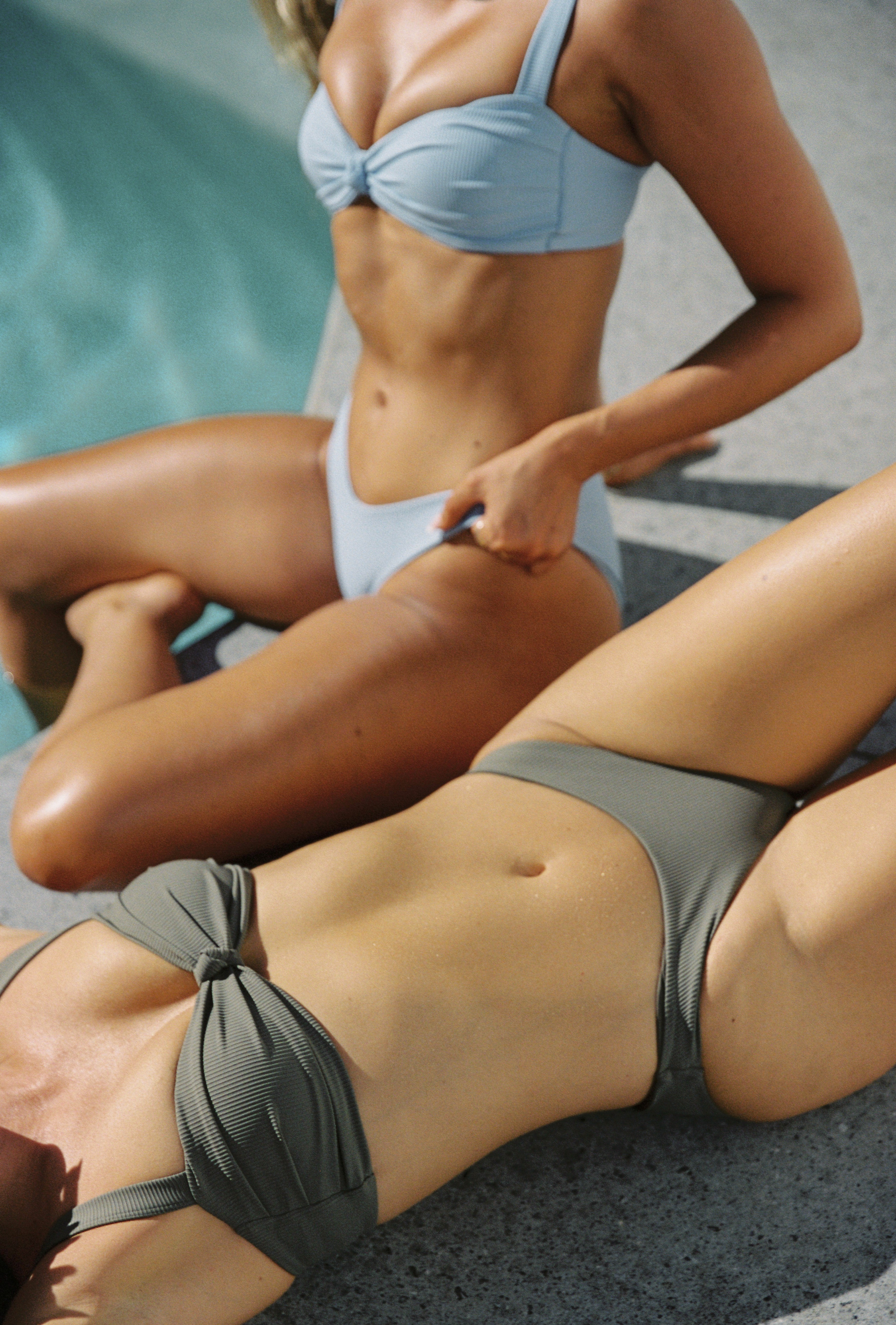
Community is not a marketing tool for Louise. It is the foundation of the brand. Her customers are not anonymous consumers, but people she knows by name, voice, and often face. Many reach out to her directly with stories of tears, relief, and recognition after wearing a Lou bra or bikini for the first time.
“I’ve had women tell me it’s the first time in forty years they’ve felt comfortable,” she says. “That never gets old.”
Those conversations often move far beyond swimwear. They become exchanges about life, self-worth, and identity. Louise has travelled to cities across the world and met customers in person, forging friendships that transcend commerce.
“That closeness keeps the message honest,” she says. “Self-love is not just something we say. It has to be lived.”
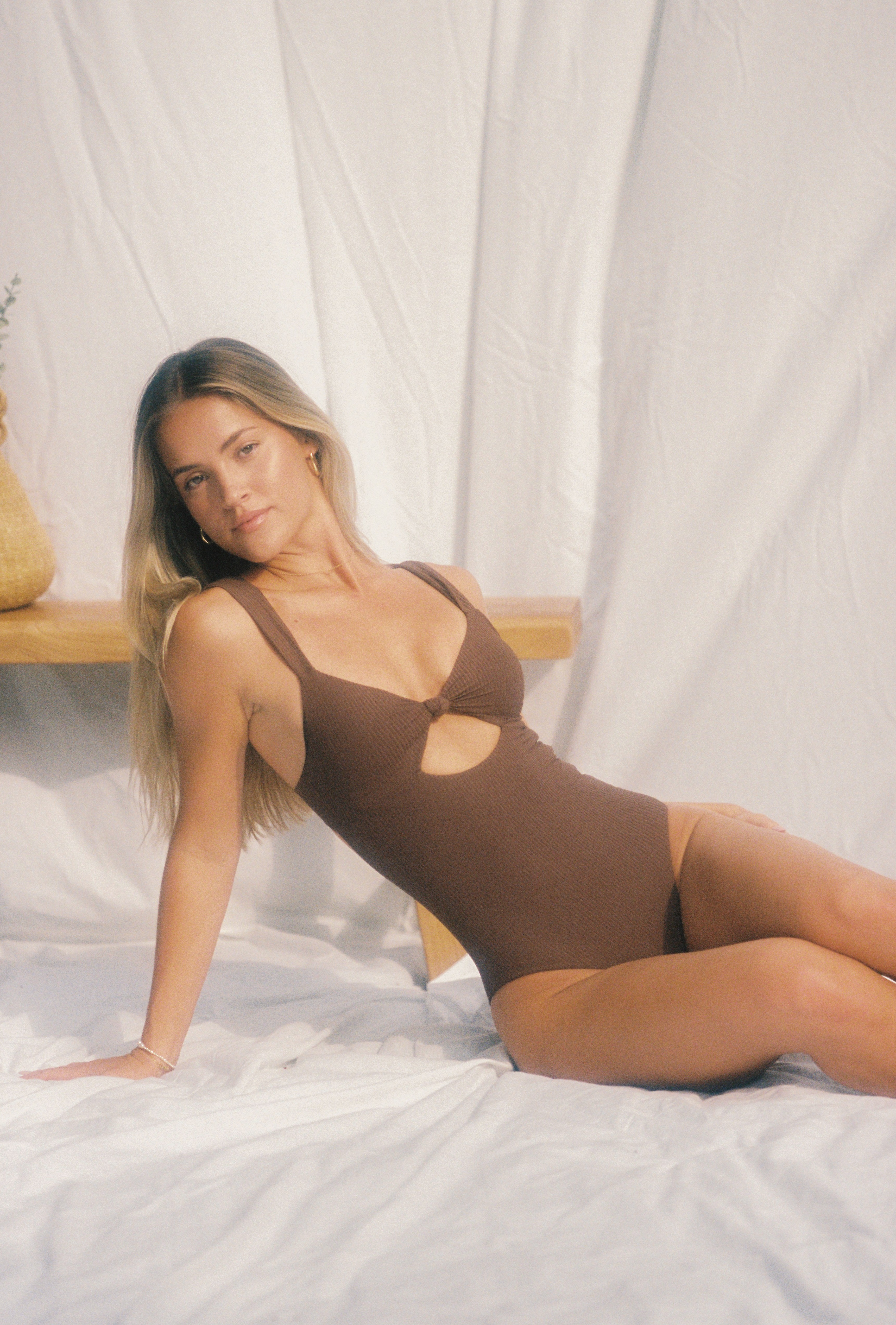
Louise is realistic about the resistance her brand has faced. Questions about the necessity of small-chest sizing often come from those who do not need it. Dismissive comments still appear online, reminders of how entrenched narrow beauty standards remain.
But she does not dwell there.
“The community is louder,” she says. “Much louder.”
She sees progress in the growing openness around body diversity, even as outdated views resurface from time to time. For her, the existence of both is proof that change is underway, even if incomplete.
Based in Perth, far from the traditional fashion capitals, Louise sees geography not as a limitation, but as freedom. Without pressure to conform to industry expectations, LOU Swim has grown with authenticity rather than artifice.
“We listen first,” she says. “That’s our advantage.”
What surprised her most about building a fashion brand was not the logistics or manufacturing challenges, though those were significant, particularly when educating suppliers on non-generic sizing. It was the emotional weight carried by garments often dismissed as functional.
“A bra or bikini isn’t just clothing,” she says. “It can make someone feel invisible. Or it can make them feel seen.”
To women still struggling with their bodies, Louise is gentle but clear. Wear what makes you feel comfortable. Confidence is not found in a cup size. It comes from within, and it grows when you stop measuring yourself against someone else’s idea of beauty.
To those wanting to build a brand rooted in self-love, but afraid to begin, her advice is disarmingly simple.
“Start small,” she says, smiling. “Your vision doesn’t have to be perfect to be powerful. Real impact comes from authenticity, not polish.”
Louise Chen is not trying to change how women look. She is changing how they feel. And in an industry that has long overlooked the quiet majority, that may be the most radical act of all.